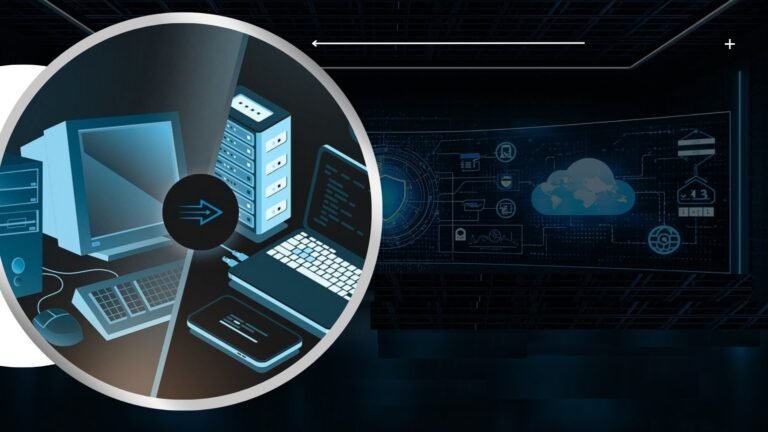
Many organizations today still rely on legacy systems. However, they plan to move forward and innovate in this era of digital transformation by adopting newer technologies and delivering dynamic capabilities to the customers, such as cloud computing, artificial intelligence, and data analytics, which can enhance operational efficiency and customer engagement.
- While legacy systems can very well power a company’s critical missions, they may not be able to meet its modern digital needs.
- This is because legacy infrastructures were built with a different purpose in mind, primarily to support traditional business processes rather than the flexible and rapidly changing requirements of today’s digital landscape.
- So, for these software programs, managing higher agility, speed, and scalability, coupled with technology integration demands, is not part of their natural ecosystem.
This is why companies adopt legacy software modernization so commonly today. Mainly, this transformative framework transforms the systems that have been in use in industries for an extended period of time. And the reasons for this upgrade are outdated technology, security loopholes, high maintenance costs, and limited scalability, among others.
These are likely the reasons for your current digital progress roadblocks. So, consulting a migration expert and tuning in more IT feedback from in-house teams can help your company validate its modernization needs.
Initially, this investment may seem more time-consuming and costly. Other than that, it also needs to be planned extensively, including defining clear objectives, allocating resources effectively, and establishing timelines for implementation. But in the long run, it promises a company to have a more reliable, truly secure, and well-monitored system in place, which can integrate with next-gen technologies, ultimately leading to improved operational efficiency and enhanced customer satisfaction. Therefore, companies can anticipate enhancing their competitiveness and providing customers with innovative services and products.
That being said, this guide explores the key challenges that a leader may face in a standard modernization process, along with its practical solutions. Overall, this knowledge set can help management in planning their modernization strategies more practically and seamlessly while aligning them with a company’s digital goals.
What is legacy software modernization?
Simply put, legacy systems modernization refers to a process of updating and transforming monolithic software systems into a highly scalable and efficient infrastructure. This process primarily caters to the evolving needs of modern organizations, which increasingly require the management of intricate organizational issues.
- This is why this approach helps software solutions integrate with modern technologies, thereby meeting business requirements and user expectations.
- Additionally, modernization helps in extending the value of the systems while reducing their operational risks and success roadblocks, which can include improved scalability, enhanced performance, and better alignment with current business strategies.
Technically, this transition is way beyond a simple app update, and it involves aspects such as
- The process involves the migration of monolithic architectures into microservices and modular infrastructures.
- The transition involves moving apps to the cloud to enhance their scalability and performance.
- Introducing APIs into the systems to help with technological integrations, and
- Modernizing the outdated programming languages and frameworks.
Overall, this allows legacy systems to perform better, thereby allowing enterprises to achieve a higher level of stability, consistency, and quality of results. Furthermore, this transformation entitles a company to achieve the following key measurable outputs:
- Better scalability to support growing user demand
- Faster development cycles by adopting the agile and modern approach of DevOps
- Improved cybersecurity posture
- Seamless integration with modern digital services
- Reduced technical debt
So, we can confidently say that, in 2026, legacy modernization is no longer optional. Rather, it is a core business transformative measure that can practically help teams innovate today.
Key Challenges In Legacy Application Modernization and Their Practical Solutions
Well, for leaders, understanding the essence of modernization is just the initial step. In practice, modernization initiatives are more than just a software update.
- They often support core business operations that can affect a company’s revenue, cost, customer experience, and other key aspects.
- In fact, modernization initiatives also involve a combination of technical complexity, operational risks, and organizational change management.
This is why leaders need to carefully analyze the challenges that they may face during this transformation process. With this perspective, this section shares the key issues that a technical team has to deal with when modernizing legacy software programs. Additionally, to help these professionals in resolving these concerns, their related solutions are also described in detail.
1. Higher Cost and Complexity
Well, the baseline is that this transformation is a costly expense for the company’s accounting team. And its comprehensive analysis is also complex and time-consuming, requiring significant resources and expertise to ensure accuracy and effectiveness in the transformation process.
Additionally, legacy software modernization projects also work around aspects like
- Software redevelopment and refactoring
- Infrastructure upgrades
- Cloud migration
- Long haul of testing and quality assurance, and
- Training teams to use new systems is a crucial aspect of cloud migration.
This is why transforming monolithic architectures into next-gen systems can be a highly complex task. Further, this complexity increases when technologies like cloud, DevOps, and others are in question, as these technologies often require specialized skills and knowledge that teams may not possess initially.
Practical Solutions
Well, to help optimize the time and budgetary resources in this development process, teams are recommended to adopt a phased approach.
- This is better than a full system update, as it helps teams move forward in a step-by-step way while approaching all steps with proper plans. In this way, they can also avoid unnecessary risks and disruptions.
- Apart from these steps, conducting an architecture assessment before starting the project is also helpful.
- This can help in deciding which digital software programs need to be modernized as a priority and which systems can follow later.
Finally, the use of cloud-native tools and automation can reduce manual dependencies for personnel while also helping to reduce the operational overheads, ultimately leading to increased efficiency and reliability in business operations.
2. Risk of Downtime and Operational Disruption
As we know, the legacy architectures serve an important purpose in the company. In fact, they often support the most critical operations, such as payment processing, logistics management, and customer services.
Technically, in these systems, disruptions may result from:
- Complex workflow changes,
- API integrations,
- Infrastructure migration, and
- App updates.
So, what can companies do to avoid this issue in legacy software modernization?
Practical Solutions
As a start, they can align a company’s modernization efforts with its present business processes. Additionally, maintaining regular backups of data and scheduling major updates during low-traffic hours can be helpful.
This improves productivity during the migration process and helps teams avoid process inefficiencies while ensuring clear communication between the IT teams and stakeholders.
3. Facing Data Migration Difficulties
During the transition process, another difficulty that occurs is a data migration challenge. This includes issues arising in the transfer of the large volume of records, which are stored in legacy systems and are being moved to modern architectures.
And here, ensuring that the data remains accurate, complete, and secure is essential.
Other than that, teams may also have to invest more time in dealing with:
- Outdated database structures,
- Duplicate and inconsistent records,
- Proprietary data formats, and
- Compatibility issues arise with modern databases.
Practical Solutions
In this case, structuring the data files and validating them is a must. Mainly, some practical solutions here include the following:
- Conducting regular data audits and cleansing the data records before migration,
- Use of automated migration tools to reduce human errors,
- Performing test migration to understand and correct issues in advance, and
- Implementing data validation checks prior to this transition.
Overall, these legacy application modernization strategies can snowball the data-related concerns that a technical team may face later. Additionally, it can help organizations in avoiding inconsistency in data, thereby ensuring high-value output.
4. Integration with New Technologies
Undoubtedly, legacy systems were not originally designed to integrate with modern technologies that we have today. These may include modern cloud services, mobile applications, and even AI-driven platforms.
Essentially, this makes it difficult for leaders to launch new apps that users expect, implement advanced analytics, and connect within departments in real-time.
Overall, this affects their pace of innovation, which is interlinked with the output, too.
Practical Solutions
So, what should a company do if it wants to develop modern apps with dynamic capabilities like AI, automation, and analytics?
The simple answer to this concern is working on the following key aspects:
- Introducing an API-first ecosystem into the system architecture,
- Middleware platforms are utilized to seamlessly connect systems.
- It is important to implement microservices-based architectures gradually, rather than in a single attempt.
- Moreover, skill training is also essential here, as teams have to manage operations on modern technologies like AI, automation, and cloud.
Apart from these key challenges, there is another aspect that teams can’t overlook, which is resistance to change.
Herein, IT teams may face issues like
- Being unfamiliar with modern tools, and
- Teams preferring legacy systems that they already understand
This is why fostering a culture of change needs to be adopted. And this can be done through providing necessary training programs and communicating the long-term benefits of modernization to the personnel.
In this way, the monolithic architectures can be transformed into modular systems that support innovation and digital growth in companies, while avoiding all the key challenges and risks.
Key Takeaways for Leaders:
Mainly, the key recommendations for leaders for a successful phased modernization plan can be:
- Treating modernization as a long-term business strategy, rather than a short-term project.
- Additionally, this change can drive better results if it is done in a phased way.
- Apart from that, investing in strong data governance frameworks is essential.
- Continuous monitoring is a must for this transition process.
Finally, training and upskilling are also an important part of the modernization process in the long term.
Final Thoughts
Wrapping up, we can say that legacy application modernization is a critical investment, which can be one of the most complex yet necessary initiatives for organizations in 2026. While it supports the critical operations, its limitations can bring in many operational barriers for a company, such as increased costs, integration issues with new technologies, and potential disruptions to existing workflows. Overall, this makes modernization an organizational challenge, affecting a firm’s long-term competitiveness.
- So, teams are recommended to move forward with caution by balancing innovation with operational stability.
- Other than that, anticipating risks, addressing their complexity, and accordingly planning the modernization roadmap can be helpful in ensuring that the transition to new systems is smooth and minimizes disruptions to ongoing operations.
In this manner, companies can very well protect their present revenue streams while improving their innovation and long-term growth prospects, and ensuring that teams are prepared to adopt new systems and workflows.