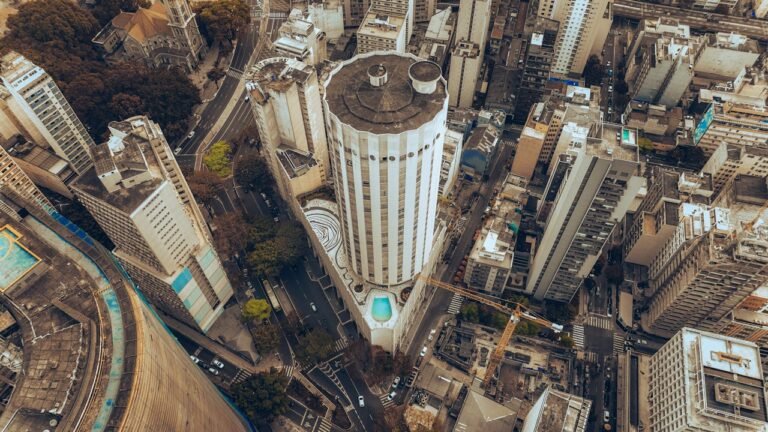
São Paulo, Brazil’s biggest city, is known by many people as a place for business, money and tall buildings. But beneath its fast-paced surface is a fun and interesting landscape. The city has a lot of great places where you can relax, have fun and enjoy yourself. Some of these places are famous parks and museums in big cities all over the world.
We worked hard to put together this list of five great places to relax in São Paulo. They were chosen because they are important to the culture, easy to get to, make people happy and make the city a better place to live. This guide will help you find the best things to do in São Paulo, whether you’re a tourist, a local looking for things to do on the weekends, or a family planning outings.
How We Selected the Top Leisure Destinations in São Paulo, Brazil
The destinations featured in this list were evaluated based on the following general criteria:
- Cultural and Historical Significance: Its significance in the history and culture of São Paulo
- Visitor Experience: The safety and quality of the services and infrastructure
- Accessibility: How simple it is to drive or take the bus to the location
- People of all ages and interests can have a lot of fun doing things.
- Reputation and consistency: getting good reviews from visitors and staying Reputation and Consistency: Getting good reviews from visitors and staying popular over time
List of Top 5 Leisure Destinations in São Paulo, Brazil
- Ibirapuera Park
- Avenida Paulista
- São Paulo Museum of Art (MASP)
- Pinacoteca de São Paulo
- Municipal Market of São Paulo (Mercadão)
A Closer Look at Each Leisure Destination
1. Ibirapuera Park
Ibirapuera Park is the most famous green space in São Paulo and one of the biggest city parks in all of Latin America. The park opened in 1954 to celebrate the city’s 400th birthday. Roberto Burle Marx was the landscape architect who designed it and Oscar Niemeyer built famous buildings there. This is where the city’s culture and fun are.
Key Activities Offered
- Paths for walking, running and biking
- Areas by the lake where you can eat lunch and relax
- Go to the Afro Brasil Museum and the Museum of Modern Art (MAM).
- The Ibirapuera Auditorium is a place where outdoor concerts and cultural events take place.
- Playgrounds and skate parks for kids
Ideal Visitor Type
Families, fitness enthusiasts, couples, tourists seeking outdoor recreation and culture lovers wanting to combine nature with museum visits.
Notable Strengths or Differentiators
Ibirapuera is special because it combines nature, architecture and culture in a way that works well. Even on busy weekends, the park’s 158 hectares give you plenty of room. Because it is in the middle of everything, has good infrastructure and is free to enter, it is open to people from all walks of life. The park also hosts big events like São Paulo Fashion Week and music festivals from around the world.
Contact Information
Website: www.ibirapuera.org
2. Avenida Paulista
The Avenida Paulista is the most well-known street in São Paulo and it’s a great place to hang out. On Sundays and holidays, cars can’t go down the avenue. Instead, it turns into a big walking path with street performers, food stalls and cultural events. You can go to its shopping malls, museums and cultural centers every day of the week.
Key Activities Offered
- There will be a street fair on Sunday with local food and crafts.
- Visit the Centro Cultural FIESP, the Itaú Cultural Institute and the Japan House.
- Shopping at Conjunto Nacional and Shopping Cidade São Paulo
- Taking pictures of and watching people in São Paulo’s famous skyline
- Getting to Trianon Park, a small green space by the road
Ideal Visitor Type
Urban explorers, young adults, tourists wanting to experience São Paulo’s energy, families on weekends and culture enthusiasts.
Notable Strengths or Differentiators
Avenida Paulista is the only street in Brazil that doesn’t allow cars on weekends. It makes a fun, safe place for people to meet and hang out. There are a lot of free cultural places on the avenue, like theaters, libraries and museums, that make it easy to have fun without spending any money. The avenue is also a sign of São Paulo’s strong economy and the fact that it has a lot of different cultures living together.
Contact Information
Facebook: Avenida Paulista
3. São Paulo Museum of Art (MASP)
One of Brazil’s most famous buildings and art museums is MASP, which is on Avenida Paulista. The museum’s striking modernist building, which is held up by red concrete pillars, is easy to spot. There are a lot of Western and Brazilian works of art at the Museu de Arte de São Paulo (MASP), including paintings by Van Gogh, Rembrandt, Portinari and Di Cavalcanti.
Key Activities Offered
- Going to see art shows that are both permanent and temporary
- Tours with guides and classes to learn
- Visiting the museum’s café and shop
- Going to movies, art classes and talks
- From the museum’s suspended structure, you can see Avenida Paulista.
Ideal Visitor Type
Art lovers, history enthusiasts, students, tourists and architecture aficionados.
Notable Strengths or Differentiators
People know MASP for its creative exhibition design, like its easel displays that let people see art from both sides without walls. The museum is best known for its Brazilian modernism, but it also has a lot of other types of art, both old and new. It is easier for everyone to see world-class art because it is on Avenida Paulista and is free to enter on Tuesdays, when it is open longer.
Contact Information
Website: masp.org.br
4. Pinacoteca de São Paulo
The Pinacoteca is the oldest art museum in Brazil. In 1905, it began to let people in. The museum is in the old Luz neighborhood and is housed in a beautiful building from the 1800s that Ramos de Azevedo designed. It is mostly about Brazilian visual arts, especially modernism, contemporary works and paintings from the 1800s. The museum is also in charge of the Pinacoteca Estação and the Pinacoteca Contemporânea, which are next to it.
Key Activities Offered
- Looking at Brazil’s largest collection of 19th-century art
- Going to see temporary exhibits by Brazilian artists from today
- Walking through the museum’s sculpture garden
- Visiting the Pina Luz café and museum shop
- Taking art classes and workshops
Ideal Visitor Type
Art historians, Brazilian culture enthusiasts, students, tourists interested in local heritage and those seeking a quieter museum experience compared to MASP.
Notable Strengths or Differentiators
The Pinacoteca is the best place to learn about the history of Brazilian art, which is important for understanding how the culture has changed over time. The building is a work of art and the recent renovations made it look like it did when it was first built, but with modern conveniences. The museum is close to the Luz train station and Jardim da Luz park. This means that people can see art and walk through a historic neighborhood at the same time.
Contact Information
Website: pinacoteca.org.br
5. Municipal Market of São Paulo (Mercadão)
Mercadão, or the Municipal Market, is São Paulo’s most famous food market and cultural center. The market is a feast for the senses and the building that houses it is beautiful and was finished in 1933. People come to try new fruits, buy fresh vegetables and eat the famous pastel de bacalhau and mortadella sandwich.
Key Activities Offered
- Eating the famous mortadella sandwich at Bar do Mané or Hocca Bar
- Trying new pastries and pastries with cod fish
- Seeing stalls with strange fruits like cupuaçu, graviola, bacuri and many more
- Buying dried goods, cheese and spices
- Taking pictures of the stained-glass windows that show what life is like in the Brazilian countryside
Ideal Visitor Type
Food lovers, photographers, tourists seeking authentic São Paulo experiences, families and anyone wanting to experience the city’s multicultural culinary heritage.
Notable Strengths or Differentiators
The buildings at Mercadão are beautiful and you can really eat there, which makes it different from other Brazilian markets. The market shows how many people from other countries have lived in São Paulo. The food and ready-made meals are influenced by Italian, Portuguese, Japanese and Arab cultures. Even though tourists like it, the market is a place where people from São Paulo can work and shop. Renovations have made the building cleaner and more organized over the past few decades, while still keeping its historic look.
Contact Information
Facebook: Municipal Market
How to Choose the Right Leisure Destination in São Paulo
- Make sure you don’t have too much free time. Objective: Figure out if you want to go to the city, learn about other cultures, try new foods, or do things outside. If you like art, you should visit MASP and Pinacoteca. Ibirapuera Park is a great place to get some exercise and enjoy nature.
- Think about the weather and the time of year. São Paulo has a subtropical climate, with warm, dry winters (June to August) and rainy summers (December to March). When the weather is nice, Ibirapuera and Avenida Paulista are great places to go outside. Museums and Mercadão are great places to go when it rains.
- Look at what you need to get to: The metro (subway) and bus networks connect most places. You have to walk a short distance from the stations to get to Mercadão and Ibirapuera Park. The subway goes straight from Avenida Paulista to the Museum of Modern Art. Look at each website to see if you can get around in a wheelchair.
- Plan ahead for busy times: Avenida’s best days are Sundays. Cars can’t go on Paulista, but it can get very busy. A lot of people also go to Ibirapuera Park and Mercadão on the weekends. If you want a quieter time, go to museums on weekday mornings.
- Remember your budget: Avenida Paulista and Ibirapuera Park are both free. On Tuesdays, people can get in for free at MASP. Pinacoteca has reasonable prices and students and seniors can get discounts. You don’t have to pay to get into Mercadão, but the food prices are different.
- Combine More Than One Destination: Many places are close enough to walk to or take public transportation to. The Avenida Paulista and the MASP are both close to each other. It takes about 15 minutes to walk or take the bus from Pinacoteca to Mercadão. Plan your trip by writing down everything you want to do and see.
São Paulo is Brazil’s cultural and economic capital and there are a lot of fun things to do there that show this. Ibirapuera Park, Avenida Paulista, MASP, Pinacoteca and Mercadão are five places that show different sides of the city.
Ibirapuera Park is a large area with both cultural sites and green space. Avenida Paulista is full of the city’s life and sense of community, especially on Sundays. The art collections at both the Pinacoteca and the MASP are world-class and unique to Brazil. At Mercadão, you can learn about the history of immigrants through food.
Each place has its pros and cons and the best one for you will depend on what you like to do, when you’re free and who you’re with. We encourage readers to learn more about these places, check the current hours and event schedules and see for themselves why São Paulo is still one of the most exciting places to visit in South America.
FAQ
1. What types of leisure activities are typically available in São Paulo?
São Paulo has a lot of fun things to do, like parks and green spaces, museums and cultural centers, food markets and tasting events, shopping malls and street shopping, theaters and live music venues and sports and recreation facilities. There are choices for almost everyone because the city is so big.
2. How much do leisure activities usually cost in São Paulo?
There is a big difference in price. There are a lot of free outdoor places, like Avenida Paulista and Ibirapuera Park. Getting into a museum usually costs between R$10 and R$30. People who go on certain days, like students and seniors, can get in for free. The prices at food markets like Mercadão depend on what you buy. It might cost more for guided tours and special events.
3. How do I know if a leisure destination in São Paulo is safe and reliable?
Official signs, well-kept buildings, security staff (especially in parks and museums), recent good reviews on sites like Google Maps and TripAdvisor, hours of operation that follow public safety guidelines and advice from trustworthy sources like hotel concierges or local residents are all signs that a place is safe. You should always be aware of what’s going on around you and keep your things safe, just like in any big city.
4. Are leisure destinations in São Paulo suitable for families with children?
Yes, a lot of places are made just for families. There are shallow lakes, picnic areas and playgrounds in Ibirapuera Park. Museums like the Pinacoteca and MASP have activities for kids to do. Mercadão is a safe place for families, but you should watch your kids because it can get busy. On Sundays, Avenida Paulista is a safe, car-free place for kids to walk and explore.
5. What should I prepare before visiting a leisure destination in São Paulo?
You should bring shoes that are good for walking (you’ll need to do a lot of it), clothes that are right for the weather (it can change quickly in São Paulo), a reusable water bottle, sun protection for outside places, cash or payment cards (Mercadão and smaller vendors may prefer cash) and public transport fare cards. You can find out the current hours, when the place is closed for holidays and any ticketing rules that may apply by visiting the websites of the places you want to go.
6. How long does a typical visit to these destinations take?
You can enjoy Ibirapuera Park and Avenida Paulista in one to three hours, but it might take you a whole day to see everything. Most museums need 2 to 4 hours for a visit to be worth it. You can see Mercadão in one to two hours, or longer if you eat there. A lot of people go to two places in one day, like MASP and Ibirapuera Park or Pinacoteca and Mercadão.