
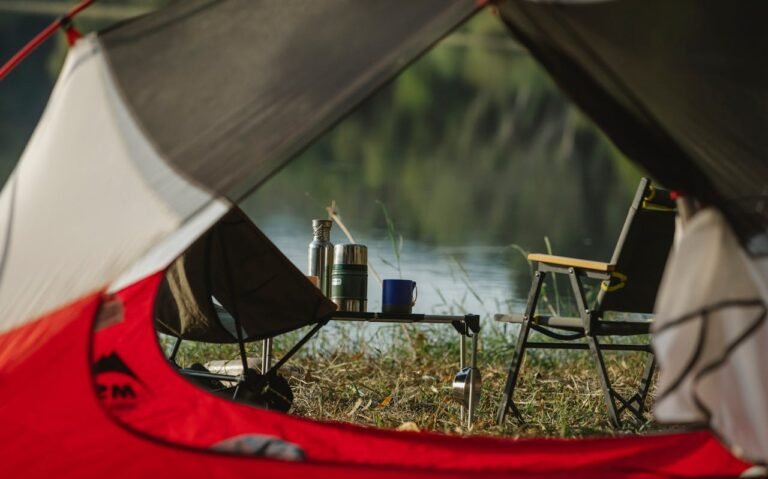
Sweden covers a vast area from the temperate forests in the south to the frozen landscapes of the Arctic Circle—a huge boon for the outdoor and camping gear industry. This variety of environment provides natural test beds for equipment designed to operate over extreme ranges of temperature and weather. The Swedish concept of “friluftsliv,” or open-air living, is deeply embedded in the culture and backed by Allemansrätten, or everyman’s right, which permits public access to all natural land, regardless of ownership. This cultural tilt towards nature has led to over a hundred years of continuous innovation in outdoor gear.
The Swedish outdoor market is a mix of heritage brands from the early 20th century and the newer sustainability-minded innovators. These companies have created proprietary fabric technologies, circular production models and durability-first design philosophies that contrast with the planned obsolescence common in mass-market outdoor gear. For some brands, certain product categories, such as backpacks, boots, outdoor apparel and camping accessories, have gained worldwide recognition while maintaining their manufacturing in Sweden or nearby European supply chains. Below, we profile five brands that are the most important Swedish outdoor and camping companies when it comes to world renown, technical innovation and sustainability leadership.
Top 5 Swedish Outdoor & Camping Gear Brands
- Fjällräven
- Haglöfs
- Lundhags
- Houdini Sportswear
- Wildo
A Closer Look at the Top 5 Swedish Outdoor & Camping Gear Brands
1. Fjällräven
Fjällräven (Swedish for “Arctic Fox”) was founded in 1960 by Åke Nordin in Örnsköldsvik, northern Sweden. The company began when Nordin, then 14 years old, built a wooden-frame backpack to improve load distribution on mountain treks. This innovation became the foundation of a brand now recognized globally for durable, functional outdoor equipment. Fjällräven holds the distinction of being the only outdoor brand with Swedish Royal Court supplier status. The company is part of the Fenix Outdoor group, which also includes Hanwag, Royal Robbins and Tierra.
Key Products
- Kånken Backpack: Originally designed in 1978 to help prevent back problems for Swedish schoolchildren, now a global icon in many colors.
- G-1000: Our own poly-cotton blend G-1000, waxed with Greenland Wax for wind and water resistance.
- Keb Trousers: Top-selling hiking pants with stretch panels and ventilation zippers.
- Classic outdoor jacket in G-1000 fabric. The Greenland Jacket was introduced in 1968.
- Expedition Down Jacket: High-fill down jacket tested in extreme cold.
Technology & Innovation
- G-1000 Fabric: Developed in 1968, this tightly woven polyester-cotton fabric can be treated with Greenland Wax for customizable waterproofing.
- Wooden Frame Backpack (1950): The first innovation that started the brand, later refined to aluminum frames.
- Kånken Design: Simplified rectangular backpack shape to maximize storage and reduce straps and complexity.
- Carryover Products: 85% of 2024 sales were from carryover products from previous seasons, the opposite of the fast fashion model.
Sustainability Commitment
- Gear built to last for decades to come—one of the big sustainability strategies.
- Encouragement of repair and take-back programs for worn equipment.
- G-1000 fabric that is re-waxing compatible, not factory re-applied coatings.
- Organizes the Fjällräven Classic (annual 110 km trek) and the Fjällräven Polar (330 km dog-sled expedition) to get people out into nature.
Feedback
Outdoor professionals rate Fjällräven’s durability and repairability as industry-leading, with products often lasting 10–20 years. Hikers praise G-1000 fabric versatility when waxed. Critics note that Kånken backpacks lack ergonomic support for loads above 5 kg. The brand’s shift toward lifestyle positioning has drawn some criticism, though technical performance remains strong in Keb and Singi product lines.
Contact Information
Website: www.fjallraven.com
2. Haglöfs
Haglöfs was founded by Wiktor Haglöf in 1914, a schoolteacher from Torsång, Sweden, who started out hand-sewing backpacks and tents for outdoor enthusiasts. The company developed a reputation as a leader in outdoor apparel and equipment, known for technical innovation and early adoption of sustainable manufacturing practices. In the 1990s, Haglöfs changed its focus to technical outdoor apparel using materials such as GORE-TEX® and Polartec® to handle extreme conditions. The brand is known around the world by climbers, hikers and mountaineers.
Key Products
- L.I.M. Series – Less Is More, Ultra-lightweight Collection, Durability and Weather Resistance.
- Apex Flex Jackets: Waterproof, Breathable and Windproof Jackets for All Conditions.
- V-Series Footwear: Boots and shoes for alpine climbing and trail running, with cutting-edge traction systems.
- Recycled Fabrics: We offer a wide range of products made from recycled polyester and nylon.
Technology & Innovation
- GORE-TEX® Collaboration: Early adopter of premium waterproof membrane technology for extreme conditions.
- Polartec® Partnership: Utilizes advanced insulation and moisture-wicking materials.
- Ultra-Light Construction: The L.I.M. series demonstrates engineering focus on weight reduction without performance compromise.
Sustainability Commitment
- Pioneers’ use of recycled materials in outdoor products.
- Fair Wear certified for ethical working conditions in the supply chain.
- bluesign®-approved fabrics for responsible management of chemicals.
- PFC-free water repellents in all products.
- “Sustainability Journal” initiative to provide regular public reporting on environmental and social impacts.
Feedback
Industry reviews repeatedly rate Haglöfs as technically superior for alpine and winter conditions. The L.I.M. series is highly appreciated by professional guides and mountaineers due to its weight-to-performance ratio. Some consumers say the sizing for Europe is tighter than competitors in North America. The brand is less present in mass-market retail than Fjällräven but has good relations with specialty retailers.
Contact Information
Website: www.haglofs.com
3. Lundhags
Lundhags was started in 1932 by Jonas Lundhag, a shoemaker from Jämtland, Sweden, who hand-made boots to get around the tough Scandinavian wilderness. Durability and craftsmanship remain at the heart of the company’s focus, producing boots, clothing, backpacks and specialized Nordic skates. Lundhags believes that “real sustainability means gear that lasts season after season, trip after trip.” The brand caters for both classic trekking and specific Nordic outdoor activities.
Key Products
- Boots: Original product category since 1932. Hand-crafted leather boots for durability and repairability.
- Backpacks: Tough backpacks for trekking and outdoors.
- Outdoor Clothing. Jackets and trousers for Scandinavian weather.
- Nordic Skates Specialized skates for winter outdoor recreation.
Technology & Innovation
- Handmade Construction: Old World Craftsmanship, New World Techniques
- Resolable and Replaceable Parts: Boots and gear that can be resoled and parts replaced, giving the product a longer life.
- Nordic Specialisation: Unique know-how in Nordic skating and ski touring equipment.
Sustainability Commitment
- Built-to-last philosophy reducing replacement frequency .
- Focus on repairable leather footwear rather than disposable synthetic alternatives.
- Local manufacturing and supply chains minimising transport emissions.
- Enables outdoor recreation for all skill levels, from local parks to mountain expeditions .
Feedback
Outdoor professionals and long-distance hikers rate Lundhags boots as among the most durable available, with some users reporting 10+ years of service. The brand’s commitment to repairability receives strong praise from sustainability-focused consumers. Some users note that break-in periods for leather boots are longer than synthetic competitors, though comfort after break-in is superior.
Contact Information
Website: www.lundhags.com
4. Houdini Sportswear
Houdini Sportswear started in 1993 in Stockholm by a group of friends who were passionate about skiing and climbing, with the goal to produce high-performance sportswear that doesn’t harm the planet. By contrast, Houdini had been a sustainability-first company from day one, pioneering circular product design and eliminating problematic materials long before such practices became the norm. The brand is a favorite among climbers, backcountry skiers and urban outdoor commuters.
Key Products
- Power Houdi Fleece jacket in iconic recycled polyester fleece. Renowned for its excellent warmth-to-weight ratio. leece & jacket made of recycled polyester, a material with an extreme warmth-to-weight ratio.
- Mono Air Collect Mono Air Collection: Hoodie and pants made with a single material for full recyclability. on: Single-material construction for total recyclability, in full-zip hoodies and pants.
- Desoli Collection: Merino wool base layers, no synthetic blends, fully compostable. All synthetic blends are fully compostable.
- Ritual Jacket: 3-layer shell jacket with Ritual Jacket 3-layer shell jacket, PFAS-free DWR, recyclable membrane
Technology & Innovation
- Circular Product Design: All products are designed for take-back programs and recycling.
- Recycled Polyester: 60% lower CO₂ emissions and 60% lower energy consumption compared to virgin polyester.
- PFAS-Free: Removed fluorocarbons from water-repellent treatments entirely.
- One Material: The Mono Air collection is designed with one type of material so it can be recycled in its entirety.
Sustainability Commitment
- Highest score in the apparel category. Certified B Corporation.
- Closed-loop garment recycling system that feeds used products back to material streams.
- Take-back program for recycling outdoor gear from any brand.
- No PFAS chemicals in any of the water-repellent treatments after 2013.
- By 2024, 98% of products will be fully recyclable.
Feedback
Industry reviewers give Houdini’s material quality and environmental credentials best in class. The Power Houdi is a professional guide’s favorite for durability under heavy use. Some consumers cite the premium pricing (30-40% higher than mainstream outdoor brands), but the lifetime repair service and product durability provide long-term value. The minimalist aesthetic is for users who want technical performance without the logo-heavy branding.
Contact Information
Website: www.houdinisportswear.com
5. Wildo
Wildo was founded in 1979 in Borås, Sweden, with the idea of making functional, durable and lightweight outdoor accessories. Best known for the Fold-A-Cup®, an ultra-lightweight collapsible cup originally developed for the Swedish army and now the standard for outdoor enthusiasts the world over. Wildo is a niche supplier of camp kitchen and accessory products, unlike competitors that focus on apparel and has kept local manufacturing in the Borås region.
Key Products
- Fold-A-Cup®: Since 1979, an iconic product. Collapsible cup that folds flat with one hand.
- GreenLine Series: Products made from bio-based plastics, including sugar cane and castor bean derivatives.
- Mess Kits Small cooking and eating systems for trekking and camping.
- Bottles & Containers Light and durable containers for food and water.
Technology & Innovation
- Foldable Design: Patented collapsible cup mechanism enabling flat storage and one-handed deployment.
- Bio-Based Materials: Proprietary bio-TPE formulation remaining stable with repeated folding while being food-safe.
- Local Manufacturing: All products are manufactured in Sweden, primarily in the Borås region, enabling quality control and short supply chains.
Sustainability Commitment
- Bio-based plastics from renewable sources (sugar cane, castor beans) for the GreenLine series.
- Lowering transport emissions by manufacturing locally in Sweden.
- Durable design philosophy vs. throw-away mentality.
- Recyclable materials throughout the product range.
Feedback
The outdoor community considers the Fold-A-Cup® an essential piece of camping gear for packability and durability. It was first designed for the Swedish army and decades later it is still specified by military users. The GreenLine series is praised for its performance as it shifts to bio-based materials. Some users mention that the cup is not good for cooking (melamine construction) and should be used only for cold drinks or warm drinks below boiling.
Contact Information
Website: www.wildo.se
Frequently Asked Questions
Which Swedish outdoor brand is best known internationally?
The most internationally known brand is Fjällräven, largely because of the Kånken backpack, which has become a global fashion and lifestyle accessory. But both Haglöfs and Fjällräven have good reputations in the technical outdoor community. Fjällräven’s Kånken backpack was named one of the “one hundred most important designs of the 20th century” by the Swedish National Museum.
What is G-1000 fabric and why is it significant?
G-1000 is a Fjällräven proprietary fabric, a tightly woven polyester/cotton blend that can be treated with Greenland Wax. The wax renders the fabric water-resistant, windproof and more durable while still allowing it to breathe. G-1000 can be re-waxed forever, unlike factory-applied waterproof coatings that eventually wear out and cannot be restored, thereby greatly extending the life of the garment. It was originally developed for tents and then adapted to clothing.
Which Swedish brand offers the most sustainable products?
Sustainability innovator Houdini Sportswear, a leader in the Swedish outdoor industry, phased out PFAS chemicals in 2013, earned B Corporation certification and designed 98% of products for full recyclability. The company has take-back programs that will take outdoor gear from any brand. Haglöfs has also been a sustainability pioneer with early adoption of recycled materials and PFC-free treatments, as well as Fair Wear certification and bluesign® approval .
What outdoor activities are Swedish brands specialized for?
Swedish brands do great gear for Nordic conditions: cross-country skiing, trekking, mountaineering and cold-weather camping. Lundhags is the only manufacturer of Nordic skates for winter lake and canal skating. Haglöfs is a specialist in alpine climbing and extreme conditions. Fjällräven covers general trekking and family camping. Wildo concentrates on camp kitchen accessories that were originally developed for military use .
Are Swedish outdoor products more expensive than competitors?
Usually, yes. Swedish brands command a premium for better quality materials, European manufacturing and longer life spans for their products. The Fjällräven Kånken backpack will be priced at 600–1,000 SEK, well above prices of generic backpacks. Houdini’s technical apparel is 30-40% more expensive than mainstream competitors. The value proposition is an extended product life, with Swedish outdoor gear often lasting 10-20 years versus 2-5 years for mass-market alternatives.
Which Swedish outdoor brand is best for winter conditions?
Haglöfs’ reputation for extreme winter conditions is the strongest, with technical apparel developed for mountaineering and polar expeditions with GORE-TEX® and advanced insulation. Fjällräven’s Expedition Down Jacket is also highly regarded for static cold exposure. And for winter footwear, it’s Lundhags leather boots that provide the best warmth and traction. Wildo’s camping accessories work at sub-zero temperatures and they work reliably.
How do Swedish outdoor brands address PFAS chemicals?
Swedish brands have been leading the way in removing PFAS (per- and polyfluoroalkyl substances) from water-repellent treatments. All of Haglöfs’ product range are PFC-free water repellents. Houdini had removed all PFAS in 2013, years before industry-wide commitments. Fjällräven’s wax-based G-1000 has never been treated with PFAS.
Where can I buy Swedish outdoor gear outside Sweden?
All major brands have distribution networks abroad. Fjällräven operates retail stores in 12 countries and wholesales to more than 50 markets. Haglöfs and Lundhags are carried by specialty outdoor retailers around the world. Houdini is well represented in Europe, Japan and select stores in North America. Wildo products are sold worldwide through camping and outdoor retailers, especially in Europe. Most brands ship directly to many countries through e-commerce.
