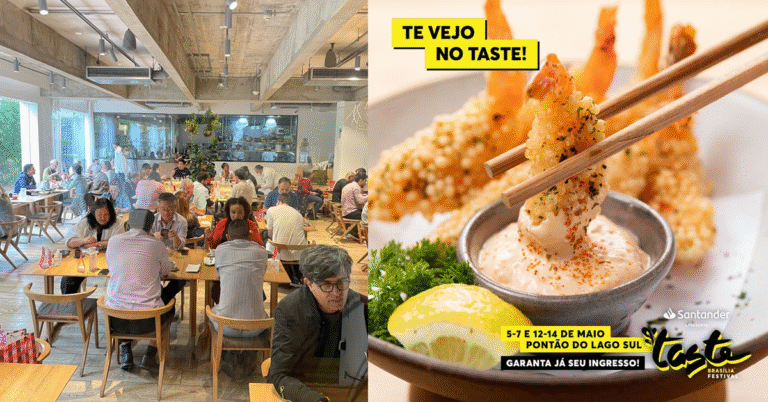
Many people agree that São Paulo is Brazil’s food capital and when it comes to Japanese food, the city is in a class by itself. São Paulo is home to the largest Japanese community outside of Japan. It also has a lot of real Japanese businesses, from traditional edomae-style sushi bars to modern versions. The Japanese food scene in the city has gotten a lot of attention, both in the US and around the world. Many restaurants have won Michelin stars and other awards.
This carefully chosen list includes five great Japanese restaurants in São Paulo. They were chosen based on their high-quality food, authenticity, industry recognition and good reviews from food critics and fans. These restaurants are the best in São Paulo, whether you’re a seasoned Japanese food lover or just someone who wants to try new things.
How We Selected the Top Japanese Restaurants in São Paulo
The restaurants featured in this list were evaluated based on the following general criteria:
- Culinary Excellence and Technique: Knowing how to use traditional Japanese techniques and choosing the best ingredients
- Authenticity and Innovation: Respecting Japanese cooking traditions while also putting your own spin on them when it makes sense to do so
- Awards, favorable reviews and mentions in well-known guides like Michelin and Prêmio SP Gastronomia show that the industry respects you.
- Reputation and Longevity: Having a good reputation with food critics and customers over time
- Dining Experience: the mood, the quality of service and the overall experience of the customer
List of Top 5 Japanese Restaurants in São Paulo
- Aizomê
- Kuro
- Goya Zushi
- Jun Sakamoto
- Kan Suke
A Closer Look at Each Japanese Restaurant
1. Aizomê
The Prêmio SP Gastronomia 2025 named Aizomê the best Japanese restaurant in São Paulo, solidifying its place as a leader in the city’s competitive Japanese food scene. The restaurant stands out because it values fresh ingredients, technical accuracy and a deep respect for Japanese cooking traditions.
Key Offerings
- A typical omakase experience
- High-quality sushi and sashimi options
- A carefully chosen menu that features seasonal ingredients
- Dishes made with care and respect for Japanese cooking methods
Ideal Diner Profile
Japanese cuisine purists seeking an authentic, high-end omakase experience; food critics and gastronomy enthusiasts; and special occasion diners.
Notable Strengths or Differentiators
Aizomê’s recognition as the top Japanese restaurant in São Paulo’s most recent gastronomy award speaks to its consistency and excellence. The house was already known among specialists and now consolidates its position as one of the great names in the São Paulo scene, reinforcing the city’s protagonism in the national gastronomic scenario.
Contact Information
Website: http://www.aizome.com.br/site/
2. Kuro
Kuro is one of the most exclusive and high-end Japanese restaurants in São Paulo. There are only ten seats at the counter in this cozy restaurant, which makes it easy for diners to connect with the chefs. The restaurant got a Michelin star in 2024, which made it one of Brazil’s best places to eat.
Key Offerings
- Omakase menu that changes every day based on what ingredients are available
- A tasting journey of about 15 courses
- Options for harmonization include wines, champagnes and carefully chosen sakes.
- Signature drinks made to go with the meal
Ideal Diner Profile
Serious food lovers seeking an intimate, high-end culinary experience; omakase enthusiasts; and diners celebrating special occasions.
Notable Strengths or Differentiators
Itamae Henry Miyano is responsible for Kuro. He is an expert who guides the omakase, which changes every day. The restaurant stands out because it values fish from the Brazilian coast, like olhete and carapau and also serves imported treats like bluefin tuna and uni. Beyond the food, the restaurant meticulously selects carefully chosen drinks and creates an atmosphere to delight all senses. The end result is a fancy dinner that was planned down to the last detail.
Contact Information
Website: https://kuroeshiro.com.br/
3. Goya Zushi
Goya Zushi has a stellar reputation as one of the best places in São Paulo to get omakase. The Michelin Guide 2025 recommends this restaurant because it has few seats and offers very personalized service. Chef Uilian Goya runs the kitchen with a focus on traditional Japanese methods, ensuring that each dish is crafted with precision and authenticity to enhance the overall dining experience.
Key Offerings
- Only at the time of service will you see the exclusive omakase menu.
- A tasting journey with up to 15 courses
- A carefully chosen sake pairing
- Traditional cooking methods that respect the essence of Japanese cuisine
Ideal Diner Profile
Omakase purists, diners seeking an intimate, traditional Japanese experience and those who appreciate chef-driven restaurants.
Notable Strengths or Differentiators
Goya Zushi’s menu includes various cooking methods, but it always stays true to the spirit of traditional Japanese food. The restaurant is in the Jardins neighborhood and has two dinner seatings. It uses high-quality ingredients and has a sake carta that is carefully designed to go with each course.
Contact Information
Website: https://goyazushi.com.br/sakes/
4. Jun Sakamoto
Many people consider Jun Sakamoto to be a legendary figure in São Paulo’s Japanese food scene. His restaurant, which bears his name, is always on lists of the best Japanese restaurants in the city. The restaurant has a stellar reputation for high-quality sushi made in the traditional edomae style. Jun Sakamoto is one of the best fine dining restaurants in São Paulo and verified user reviews say that its sushi is excellent and uses high-quality ingredients.
Key Offerings
- Sushi in the traditional edomae style
- High-end omakase meals
- Seafood from both the US and other countries that is of high quality
- Classic Japanese dishes made with care
Ideal Diner Profile
Sushi connoisseurs, diners seeking a benchmark Japanese dining experience and those who appreciate understated elegance and technical mastery.
Notable Strengths or Differentiators
People often say that Jun Sakamoto has better sushi than other places because they use only the freshest and best ingredients. Verified user reviews say that “the quality of their sushi is better than that of other restaurants and the ingredients are even better.” The restaurant’s philosophy emphasizes letting the quality of the fish speak for itself through minimal intervention and precise technique.
Contact Information
Website: https://www.junsakamoto.com.br/
5. Kan Suke
Kan Suke is a well-known Japanese restaurant in São Paulo that is known for its authentic style and high-quality food. It is the last restaurant on our list. The restaurant has become known as a place to get excellent Japanese food in the city, with a 5.0 rating from user reviews on Trip.com’s list of fine dining places.
Key Offerings
- Japanese food made with fresh ingredients in the traditional way
- Sushi and sashimi choices
- A real Japanese dining experience
Ideal Diner Profile
Diners seeking consistently high-quality Japanese food; those who value freshness and authenticity; casual diners and special occasion guests alike.
Notable Strengths or Differentiators
Verified reviews from users say things like “the Japanese food is delicious” and “the meal is very comfortable,” and they also say “the fish is very fresh.” Kan Suke is on Rua Manuel da Nobrega in the Avenida Paulista area. It is easy to get to and has received high ratings from diners for its quality.
Contact Information
Facebook: Kan Suke
How to Choose the Right Japanese Restaurant in São Paulo
- Define Your Experience. Preference: Decide whether you want a traditional omakase experience (like Kuro or Goya Zushi), a benchmark sushi meal (Jun Sakamoto), or award-winning traditional cuisine (Aizomê).
- Consider Your Budget: Japanese dining in São Paulo spans a wide price spectrum. Omakase experiences at top-tier establishments command premium prices, while restaurants like Kan Suke offer quality dining with average tickets around R$114-$150 per person.
- Think about how intimate or accessible the restaurant is. Some restaurants, like Kuro with ten seats and Goya Zushi with limited capacity, offer very intimate experiences. Others, on the other hand, make it easier to make reservations and get service.
- Check the requirements for your reservation: Most of the time, you need to book ahead of time, sometimes weeks in advance, to get into the best omakase places. Make plans ahead of time for special events.
- Think about where you are: Japanese restaurants are mostly found in neighborhoods like Jardins, Itaim Bibi, Pinheiros and the historic Liberdade district. The Jardins and Avenida Paulista areas are home to the majority of the recommended restaurants.
- Check out the menus and styles: Traditionalists should look for restaurants that focus on Edomae techniques and omakase service. On the other hand, people who want a wider range of dishes may like the variety offered by these places.
São Paulo has a massive and high-quality Japanese restaurant scene because it has the largest Japanese community outside of Japan. The five restaurants that were highlighted are Aizomê, Kuro, Goya Zushi, Jun Sakamoto and Kan Suke are all examples of different ways that Japanese food is outstanding.
Aizomê serves award-winning traditional food, Kuro offers Michelin-starred intimacy and exclusivity, Goya Zushi serves authentic omakase with precision, Jun Sakamoto serves benchmark sushi from a famous chef and Kan Suke serves consistently high-quality Japanese food with high user ratings.
The best place for you depends on your tastes, budget and the event type. We suggest that you look into these restaurants more, make reservations ahead of time and find out why São Paulo is known as one of the best places in the world to eat Japanese food.
Frequently Asked Questions
1. What makes São Paulo’s Japanese restaurants special?
São Paulo has the largest Japanese diaspora community outside of Japan. This has led to a very real Japanese food culture that has been around for more than a hundred years. Because of its long history, access to high-quality ingredients and constant innovation, São Paulo is now one of the best places in the world to eat Japanese food.
2. How much does a high-end Japanese meal cost in São Paulo?
Prices vary a lot depending on the restaurant and the food you choose. Depending on how many courses and drinks are included, top-notch omakase meals usually cost between R$114 and R$300 or more per person. The average price for Jun Sakamoto is between R$62 and R$114, while the average price for Kan Suke is about R$114 per person.
3. Do I need reservations for these restaurants?
Yes, it is highly recommended—and often necessary—to make reservations ahead of time at all of São Paulo’s best Japanese restaurants. You might need to make a reservation weeks in advance for small places with limited seating, like Kuro and Goya Zushi. Planning ahead makes sure you get the date and time you want.
4. What is omakase and why is it popular in São Paulo?
“Omakase” means “I leave it up to you,” which means that the chef picks and serves the best ingredients of the day in a multi-course meal. This style of dining has become very popular in São Paulo because it shows off the chef’s skills, makes sure the ingredients are as fresh as possible and lets the diner and itamae interact. Some of the restaurants that are highlighted are known for their omakase meals.
5. Are these restaurants suitable for first-time visitors to Japanese cuisine?
While some restaurants focus on traditional, purist preparations that may be unfamiliar to novices, the experience of omakase is accessible to all diners who appreciate quality food and are open to chef-guided journeys. For a first experience, communicating your preferences and openness to the chef’s selections will enhance your enjoyment.
6. What neighborhoods have the highest concentration of the best Japanese restaurants?
The best Japanese restaurants are mostly in high-end neighborhoods like Jardins (where Goya Zushi is) and the Avenida Paulista area (where Kan Suke is). The historic Liberdade neighborhood has a wider range of Japanese and Asian restaurants at different price points, but the best ones are usually outside Liberdade.
7. Do these restaurants accommodate dietary restrictions?
Most high-end Japanese restaurants can work around dietary restrictions if you let them know ahead of time. However, omakase menus are usually set. When reserving, tell the kitchen about allergies or dietary restrictions so they can make the right alternatives.