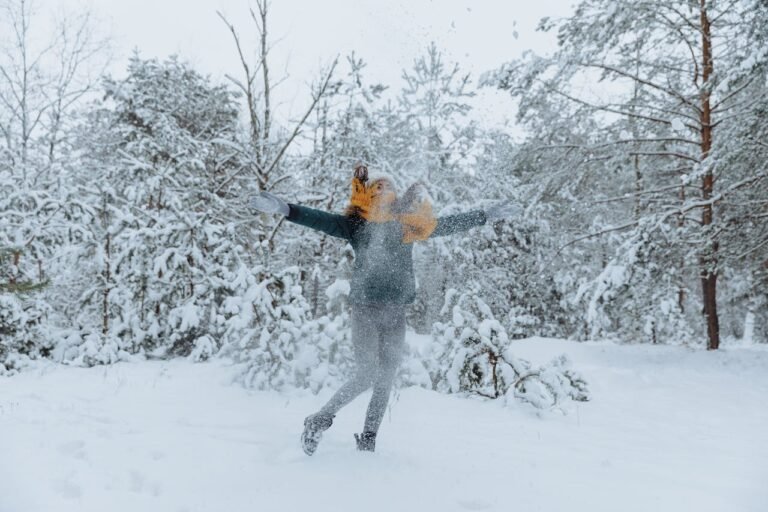
The aurora borealis is well-known in Swedish Lapland, a huge Arctic area that covers the northernmost parts of Sweden. But simplifying this amazing landscape into one thing does a tremendous disservice to the wide range of experiences that people can have in the winter. From December to March, when the forests are covered in snow and the rivers freeze solid, the area becomes a playground for adventurers, a quiet place for people who want to be alone and a living museum of Sámi culture that has lasted for more than 9,000 years. The short days or the almost complete darkness of the polar night make for a cozy atmosphere that is unlike any other winter destination. Here, the line between human activity and wild nature is blurred.
People who want to visit Swedish Lapland in the winter need to find the right activities that balance excitement, cultural immersion and the simple pleasure of the Arctic’s quiet. Many of the best things to do in the area are small, locally run and deeply connected to the land and its Indigenous stewards. This experience is different from the crowded aurora-viewing tours that take place around Abisko and Kiruna. The following list of the top five things to do in Swedish Lapland shows off the full range of what the area has to offer besides the northern lights. These include the excitement of driving your dog team across frozen tundra and the calming activity of carving a traditional Sámi cup by a wood-fired stove. Each entry is based on real local operators, respects the delicate Arctic environment and gives you a real connection to one of Europe’s last great wild places.
Top 5 Winter Activities in Swedish Lapland Beyond the Northern Lights
- Dog Sledding (Husky and Eurohound Expeditions)
- Sámi Cultural Experiences (Reindeer Encounters and Duodji Crafts)
- The Icehotel in Jukkasjärvi
- Luleå’s Sea Ice Track (Skating, Ice Baths and Waffles)
- Snowmobiling Across Frozen Lakes and Tundra
A Closer Look at the Top 5 Winter Activities in Swedish Lapland Beyond the Northern Lights
1. Dog Sledding (Husky and Eurohound Expeditions)
Dog sledding is probably the most famous winter activity in Swedish Lapland, but it’s much more real and immersive than most people think it will be. Gliding behind a team of eager sled dogs is different from riding in a snowmobile because it connects you to a way of getting around in the Arctic that has been around for over a thousand years, long before engines were invented. The first thing you notice is the quiet. After the dogs are harnessed, they start barking excitedly, but then they settle into a steady panting. The only other sounds are the hiss of runners on snow and the soft rustle of spruce branches brushing against each other. There are two main breeds of dogs used for modern dog sledding in Swedish Lapland: Alaskan Malamutes, which are bred for strength and endurance on long trips and Eurohounds, which are a mix of Alaskan husky and pointer and are known for their speed and energy in racing.
The experience typically begins with a safety briefing and instruction on basic mushing commands: “höger” (right), “vänster” (left) and “stopp” (stop). Participants then help harness the dogs—many operations pride themselves on the welfare and enthusiasm of their animals and guests quickly learn that these dogs genuinely love to run. A standard safari lasts between two and four hours, with one person driving the sled while another rides as a passenger, swapping positions halfway through the trip. Longer expeditions, including multi-day journeys with overnight stays in wilderness cabins, are available for experienced participants.
Key Points
- Focus on the well-being of dogs: Good businesses like Norrland AIO Camp in Luleå breed their own dogs and treat them like family. After rides, they invite guests into their homes to warm up and tell stories over coffee.
- Participating: You should expect to help harness the dogs and learn to drive the sled yourself. This is not a ride where you just sit back and enjoy.
- What to wear: Operators provide insulated overalls, winter boots, gloves and balaclavas, but wearing your own thermal base layers is essential.
Achievements (Specific Operators)
- Norrland AIO Camp breeds and trains Eurohounds and Alaskan Malamutes for competitions throughout Europe, translating that expertise into guest safety and animal welfare.
- ICEHOTEL packages include 1.5-hour dog sledding safaris as part of their overnight stays.
Feedback
Participants always say that dog sledding was the best part of their trip to Lapland. The dogs’ real excitement is contagious and the silence of the forest, broken only by panting and running, makes for a meditative experience. First-time drivers sometimes have trouble keeping their balance on the runners, but guides are patient and help them. Families like that can have kids ride in the sled while adults take turns driving it.
Contact
Website: https://www.fjallaventyr.com/dogsledding/?lang=en
2. Sámi Cultural Experiences (Reindeer Encounters and Duodji Crafts)
The Sámi are the native people of northern Sweden, Norway, Finland and Russia’s Kola Peninsula. They have lived in Lapland for more than 9,000 years. Reindeer herding has always been an important part of Sámi culture and winter is a particularly wonderful time to see this culture up close, as herders move their animals between grazing lands. In contrast to the commercialized “meet Santa” experiences found further east in Finnish Lapland, Swedish Sámi-run encounters focus on being real: small groups, family-owned farms and real cultural exchange instead of staged performances. People can feed reindeer by hand, learn how to throw a lasso (suohpan), listen to joik (traditional Sámi singing) and eat smoked reindeer meat, homemade bread and warm lingonberry drinks around a fire in a traditional lávvu (tent-like dwelling).
In addition to reindeer encounters, a growing number of Sámi families offer workshops in duodji—traditional Sámi crafts. Duodji encompasses everything from silver jewelry and knife-making to wood carving and textile work, each item made from natural materials like reindeer antler, birch and wool. The Huuva family, based in the Torne Valley near Hedenäset, invites guests into their home to learn about Sámi life while Maja weaves leather braids, Erika crafts silver jewelry and Henry shares stories of hunting. butchery and carpentry. The family’s workshops and meals are served at a candle-lit table in their open-plan living room, creating an atmosphere of genuine hospitality that no hotel restaurant can replicate.
Key Points
- Feeding reindeer: Unlike dog sledding, which is full of adrenaline, meeting reindeer is calm and meditative because they are used to people and are gentle.
- Learn traditional skills: Duodji workshops teach people how to carve wooden cups (kåsa) or weave leather bracelets with the help of experts.
- The Jokkmokk Winter Market is the most important event for the Sámi people. It takes place every year in early February and attracts Sámi from all over northern Europe for reindeer racing, duodji markets, joik competitions and cultural celebrations.
Achievements
- National Geographic has written about the Huuva family’s cultural activities at home because they are a real, non-commercial way to share Sámi culture.
- First Camp Arcus in Luleå is the only camping spot in Sweden where reindeer live on-site. Guests can feed and interact with the herd every day.
Feedback
Visitors consistently describe Sámi cultural experiences as the most meaningful part of their Lapland visit—far more memorable than aurora hunting. The contrast between the bitter cold outside and the warmth of a family home or lavvu, combined with genuine storytelling, creates a profound sense of connection. Some travellers note that these experiences require advance booking and are not as readily available as commercial husky safaris, but the effort to arrange them is worth it.
Contact
Website: https://en.firstcamp.se/destinations/arcus-lulea
3. The Icehotel in Jukkasjärvi
The original Icehotel is not just a hotel; it is an art installation that has been rebuilt every winter since 1989. It is located 200 kilometers inside the Arctic Circle in the small village of Jukkasjärvi, which has a population of about 500. Every November, artists from all over the world come together to harvest clear ice from the Torne River and use it to make suites, an ice bar, an ice church (which is popular for weddings) and an ice gallery. Every spring, the hotel melts back into the river and every winter, it is rebuilt with entirely new designs. The Icehotel is the only place on Earth where guests can sleep in rooms that are always between -4°C and -7°C (25°F and 19°F). They sleep in insulated sleeping bags on beds of ice covered in reindeer hides. The experience is surprisingly comfortable. The dry cold doesn’t get as deep as the damp cold of milder winters, but it is definitely extreme.
The Icehotel added Icehotel 365 in 2016. This permanent section is kept frozen all year round using solar-powered cooling technology. This means that guests can stay in ice rooms even in the summer. The seasonal Icehotel, which is open from December to April, is still the more authentic experience, with new art suites designed by different artists every year. For more than 400 years, the village of Jukkasjärvi has been a meeting place for reindeer herders and fur traders. This adds historical depth to the visit.
Key Points
- What to expect: After a safety briefing and a tour of the check-in area, guests get sleeping bags that are rated for extreme cold and are ready for an expedition. The night is spent in an ice suite and the next morning, guests can enjoy a hot sauna and breakfast at the nearby Kaamos Hotel.
- Activities included: Many Icehotel packages include dog sledding and snowmobile safaris, which let guests combine the unique accommodation with classic Arctic activities.
- The Icehotel is open to the public during the day, even if they aren’t staying there. They can see the ice suites, ice bar and ice church (there is a fee to enter).
Achievements
- The first and most famous ice hotel in the world, which has inspired many others in Canada, Japan and Scandinavia.
- It has been in many international magazines, such as National Geographic, The Guardian and Condé Nast Traveler.
- CNN Travel and other lists have named it one of the “World’s Strangest Hotels.”
Feedback
Everyone who stays at the Icehotel says it’s a unique experience, but people have different ideas about how comfortable it is. Some people think the newness is worth the cold and the short night (most guests sleep surprisingly well in the sleeping bags but wake up early). Some people think the experience is more memorable than comfortable and they’re glad they booked a warm room for the next night. People always rave about the ice sculptures and art installations. Even guests who don’t want to stay overnight should definitely go on the daytime tour.
Contact
Website: https://www.icehotel.com
4. Luleå’s Sea Ice Track (Skating, Ice Baths and Waffles)
Luleå is a city on the coast of the Bothnian Bay. It is known as Sweden’s “cold-bath capital” because of the sea ice track, which is an amazing winter asset. When the bay freezes to a depth of more than a meter each winter, the city clears and maintains a network of ice paths that cross the frozen sea. This makes the city’s waterfront a winter playground that everyone can enjoy. Luleå’s ice track is mostly free and open to everyone, unlike mountain activities that need special gear and guide fees. You can borrow rows of kick sleds (sparks), which are traditional wooden sleds pushed by foot. They are a very Arctic way to get around and are much more fun than they look.
Gråsjälören, a small island that becomes a winter hideaway that can only be reached by crossing the ice, is the best part of the ice track. When a flag goes up over the island’s café, the waffles are ready and everyone agrees that they taste better after a quick trip across the frozen sea. Fire pits, windbreaks and stocked firewood are still available for winter picnics even when the café is closed. For those looking for more intense experiences, the Norra Hamn area has a frozen-in sauna raft with its own ice hole. This allows you to do the traditional Finnish-Swedish thing of going from hot to cold, which locals say is both “tough and wonderful.”
Key Points
- Free-kick sleds: Borrow a spark from racks along the track, push off and glide across the ice—simple, traditional and unexpectedly addictive.
- Ice bathing: Luleå is Sweden’s cold-bath capital. A sauna followed by a plunge through an ice hole gets the blood racing and the mind instantly clear.
- Waffle island: When the flag flies over Gråsjälören, the café is open. Cross the ice to reach it—the waffles are worth the journey.
Achievements
- The Sea Ice Marathon, a 42-kilometer running race across the frozen bay, takes place here and draws runners from all over the world. You can also choose shorter distances, like 10 km or 21 km.
- During the Luleå on Ice festival in late February, there are hockey games, snowball fights (including an unofficial World Championship), food vendors and outdoor activities.
Feedback
People who live in Luleå and people who visit say that the ice track is the best winter attraction in the city. It’s free, easy to reach and unique in the Arctic. Families with small kids like the kick sleds and the waffle island trip. People who take ice baths say that the plunge is “shockingly cold followed by euphoric warmth” when they get back to the sauna. Visitors should know that the ice track depends on the weather, so they should check the weather before making their plans.
Contact
Website: https://www.swedishlapland.com
5. Snowmobiling Across Frozen Lakes and Tundra
Snowmobiling is the fastest way to get around in Swedish Lapland. It lets visitors reach remote parts of the wilderness that would take days of skiing or dog sledding to get to. Guided safaris can last anywhere from two hours for families to full days of crossing frozen lakes, birch forests and open tundra. The experience is truly thrilling—driving a machine that skims across snow at speeds of 40–60 km/h (with the wind chill, this feels much faster) while surrounded by landscapes that look like they came from another world. In dog sledding, the dogs don’t set the pace; snowmobiling places the rider firmly in control of speed and direction, offering a different kind of satisfaction.
All guided safaris come with a safety briefing, warm winter clothes (insulated overalls, boots, gloves and a helmet with a visor) and lessons on how to ride and how to be respectful of the environment. Operators stress that people should stay on marked trails so they don’t disturb areas where reindeer are herded or sensitive Arctic plants that take a long time to recover from damage. People who drive the machines must have valid driver’s licenses, but passengers can ride in two-seater sleds or towed sledges. Many safaris include snowmobiling as well as other things. For example, ice fishing stops on frozen lakes, wilderness lunches cooked over open fires in traditional lávvus, or trips to Sámi reindeer farms.
Key Points
- A valid driver’s license is required to drive a snowmobile, but passengers do not need one.
- Only guided tours: Tourists can’t rent snowmobiles on their own; all safaris are guided to make sure they are safe and follow environmental rules.
- Combine activities: Many multi-day trips include snowmobiling, ice fishing, visiting reindeer and eating in the wild.
Achievements
- Most Lapland adventure packages include snowmobiling as a core activity, often pairing it with dog sledding and Ice Hotel stays.
- Norrland AIO Camp offers snowmobile safaris combined with ice fishing and campfire lunches, creating full-day wilderness experiences.
Feedback
People who ride snowmobiles for the first time say it’s easier than they thought it would be. The machines are stable and responsive and guides give detailed instructions before the ride. The wind chill at high speeds is terrible. Even with the gear provided, it’s best to wear your own thermal balaclava or face mask. Families like that can ride in two-seater sleds or covered, towed sleds without having to get a license.
Contact
Website: https://kirunahusky.com/wilderness-tour-with-snowmobile-icefishing/
FAQ
What is the best time of winter to visit Swedish Lapland for these activities?
Late February to late March is the best time to go because the days are longer (from 4–5 hours in December to 10–12 hours in March), the snow is more stable and the cold isn’t as bad (from -5°C to -15°C instead of -20°C to -35°C). December has the magic of the pre-Christmas season and the polar night, but it is very cold and there is very little daylight. January is the coldest month, with temperatures often dropping to -25°C to -35°C. You need to get ready for the cold weather.
Do I need special winter clothing, or is it provided?
Tour companies that offer dog sledding, snowmobiling and stays at the Icehotel include insulated overalls, winter boots, gloves and helmets (for snowmobiling) in their packages. You should bring your own thermal base layers (merino wool is best), a fleece or wool sweater for the middle layer, two pairs of socks (one thin liner and one thick wool), a balaclava or face mask and a wool or fleece hat. Don’t wear cotton against your skin because it holds onto moisture and will make you dangerously cold.
Are these activities suitable for children?
Yes, but the age limits depend on the activity. Children 4 and older can go dog sledding and visit reindeer. Younger kids can ride in sleds as passengers. Most of the time, people who ride snowmobiles must be at least 7 years old and drivers must have a valid driver’s license (the minimum age varies by operator but is usually 18). Older kids and teens who know how to handle the cold can stay at the Icehotel, but younger kids might not like the very cold temperatures. The ice track in Luleå is safe for people of all ages. Young kids can use kick sleds and skateboards.
How do I reach Swedish Lapland and do I need a car?
SAS and Norwegian fly from Stockholm to Kiruna Airport (KRN), which is the main airport. The flight takes about 90 minutes. You can also fly to Luleå Airport (LLA) from Stockholm and other Swedish cities. Buses go from Kiruna to Jukkasjärvi (20 minutes) and Abisko (2 hours). If you want to see Sámi culture up close and personal, like the Huuva family in the Torne Valley, renting a car is highly recommended because public transportation is limited in the winter. Most tour packages, on the other hand, do include transportation to and from the airport and activities.
Do I need to speak Swedish to participate in these activities?
No. All of the tour companies that offer dog sledding, snowmobiling and Icehotel tours speak English. The Huuva family and other Indigenous operators lead Sámi cultural experiences in English as well. It’s nice if you know a few Swedish words (like “tack” = “thank you” and “hej” = “hello”), but you don’t have to.
Is the Icehotel genuinely worth the cost?
Yes, for most visitors, but only once, not as a regular place to stay. The Icehotel is pricey, with packages starting at around 1,100 EUR for two nights, including one night in an ice room, dog sledding and transfers. But the combination of world-class ice art, the novelty of sleeping at -5°C and the Arctic activities that come with it makes it worth more than budget hotels. Visitors who want to see the Icehotel but don’t want to stay the night can book a daytime tour of the ice suites for a small fee.
How do I ensure that Sámi cultural experiences are authentic and not exploitative?
Search for experiences that are led by Sámi families or operators, take place in small groups (5–10 participants maximum) and focus on genuine cultural exchange rather than “Santa and reindeer” performances. National Geographic featured the Huuva family’s home-based experiences, which set the standard for authenticity. At First Camp Arcus in Luleå, the Dálvvás Sámi experience is run in collaboration with local Sámi herders and includes reindeer feeding, lasso throwing and storytelling around a fire in a lávvu. Avoid mass-market “Sámi villages” that charge high prices for brief, staged encounters.
What should I do if I miss the northern lights entirely?
Don’t be sad if you miss the aurora; Swedish Lapland’s winter has so many things to do that it won’t ruin your trip. The quiet of a frozen lake while ice fishing, the warmth of a Sámi lávvu filled with stories, the strange beauty of the Icehotel’s ice sculptures and the simple pleasure of pushing a kick sled across a frozen bay are all amazing in their own right. Many people who saw the aurora say that dog sledding or learning about Sámi culture was the best part of their trip.